






Votre devis de prototypage rapide: 4 Key Cost Drivers
Avez-vous déjà téléchargé un fichier CAO, j’ai attendu des jours, et reçut une citation confuse sur le prototypage rapide? The prototyping market is growing at 6.4% CAGR toward $2.12 billion by 2032, Pourtant, les devis pour des pièces identiques varient énormément. Pourquoi? Quatre facteurs de coût influencent chaque devis de prototypage rapide — mais la plupart des fournisseurs ne les expliquent pas. Chez GD Prototypage, La transparence conduit à de meilleures décisions. Cet article analyse les facteurs responsables de la génération de vos devis, compare différentes pratiques dans divers secteurs, et identifie comment les fabricants intelligents se synchronisent avec les tendances à venir pour 2026.
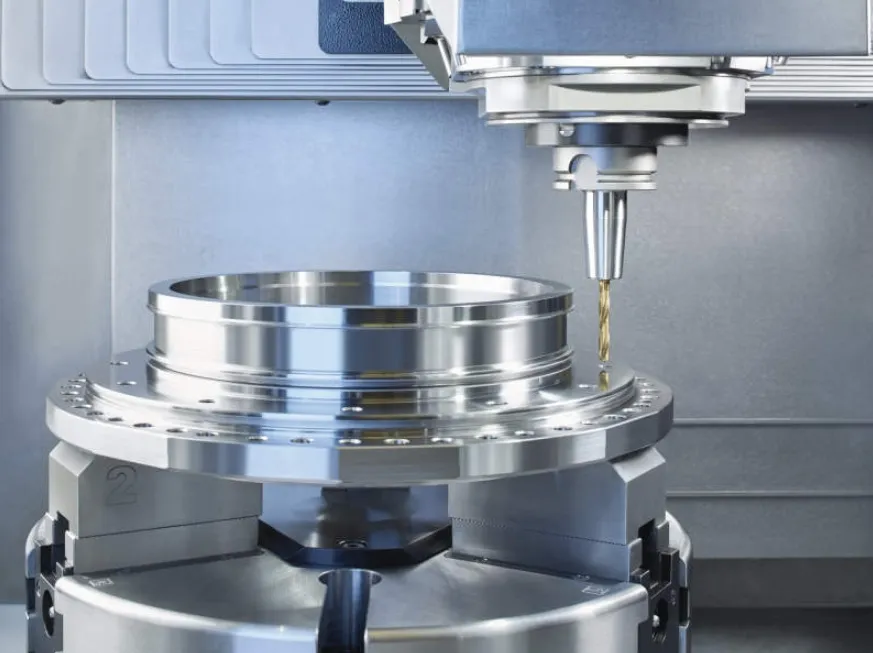
Conducteur de coût #1: Sélection des matières premières et utilisation des matières premières
Le choix du matériau est le facteur le plus immédiat dans toute citation de prototypage rapide. Mais le prix sur une fiche technique de matériau ne raconte que la moitié de l’histoire.
• Les prototypes PEEK ou en titane peuvent en coûter des milliers "Nuisance" Frais d’installation depuis les ateliers traditionnels
• L’aluminium 6061 sert de référence de coût; Passer à l’aluminium 7075 double à peu près le coût des matériaux, tandis que le titane peut augmenter les coûts par dix
• Les boutiques traditionnelles achètent souvent des barres ou des feuilles entières pour de petites commandes — vous obligeant à payer 90 % de matériaux inutilisés
✅L’approche de GD Prototypage: Grâce à un inventaire centralisé et un imbriquage intelligent des matériaux entre plusieurs commandes clients, Nous éliminons le "Paiement à la ferraille" Pénalité. Votre devis de prototypage rapide ne reflète que le matériel que vous utilisez réellement.
Chauffeur de coût #2: Géométrie des pièces et complexité de fabrication
La complexité dicte le temps de la machine — la plus grande variable unique dans la fabrication soustractive.
• Le fraisage CNC d’un 5 axes complet peut prendre plusieurs jours de réglage juste pour vérifier les trajectoires d’outillage et aligner correctement le luminaire.
• Encore plus chronophage est l’usinage d’une pièce qui possède de grandes ressources, rayons internes serrés, Ou même plusieurs sous-coupes. De telles caractéristiques ne peuvent être produites qu’à l’aide d’outils spéciaux, Augmentation du temps de cycle global et du coût de la pièce.
• Lorsque plusieurs configurations sont nécessaires pour la géométrie d’une pièce, L’usinage CNC est souvent l’option la plus coûteuse et la plus chronophage comparée à l’impression 3D.
• L’usinage CNC peut atteindre des tolérances aussi strictes que ±0.0005 pouces (±0.012 mm), Mais des tolérances plus strictes coûtent plus cher. Système automatisé DFM de Protolabs, par exemple, peut rejeter catégoriquement les conceptions qui ne correspondent pas aux limites définies de leurs outils..
✅2023 et au-delà: De plus en plus d’entreprises utilisent des stratégies hybrides en utilisant la fabrication additive pour des solutions complexes, pièces à faible volume et usinage CNC pour la production de pièces fonctionnelles avec des tolérances serrées. GD Prototying regroupe les deux sous un même toit, Votre devis sera donc toujours pour le processus optimal.
Conducteur de coût #3: Tolérances et exigences de finition de surface
Chaque décimale supplémentaire sur votre bloc de tolérance ajoute des dollars mesurables à votre devis pour le prototypage rapide.
• L’usinage CNC standard maintient des tolérances de ±0.001" à ±0.005″ (±0.025 mm à ±0,125 mm); Serrement à ±0.0005″ (±0.012 mm) nécessite un équipement spécialisé et des avances plus lentes.
• Opérations nécessitant post-traitement — anodisation, Placage, Poudre, Polissage — Entraîne beaucoup d’heures de travail manuel qui ne sont pas prises en compte dans les estimations initiales.
• Lorsque les spécifications de finition de surface sont inférieures à Ra 0,8μm, Des opérations secondaires comme le meulage ou le lapotage doivent être réalisées.
✅GD Prototypage offre le plus Services complets de finition disponible. Les prix ne sont pas masqués par des majorations, car elle est liée au temps réel du processus. Nous sommes entièrement équipés pour l’anodise, Galvanoplastie, peinture, Nettoyage du sable, et le revêtement en poudre.
Chauffeur de coût #4: Quantité de commande et amortissement de la configuration
Les distinctions entre l’économie du prototypage et la production de masse sont plus marquées, Pourtant, prendre conscience des différences peut permettre des économies de coûts efficaces et significatives.
• Les pièces prototypes imprimées en 3D peuvent coûter entre 30 et 80 dollars chacune; toutefois, chaque pièce moulée injectée rapidement, Considérer les coûts des outils, peut coûter en moyenne entre 15 et 40 $ pour une commande de 200.
• Pour des commandes jusqu’à 300 unités, L’impression 3D peut être moins coûteuse que l’usinage CNC; cependant, l’impression 3D présente des contraintes de temps et de coûts importantes car le temps de montage de chaque pièce est amorti par rapport au coût de production.
• Quantités minimales de commande (MOQ) Des ateliers de fabrication traditionnels, souvent 50 à 100 pièces, ce qui conduit à une production inutile avant que l’adéquation produit sur le marché ne soit validée.
✅Le prototypage GD présente un avantage unique par rapport à la fabrication traditionnelle. Nous éliminons l’engagement MOQ en comblant l’écart entre le prototypage et la production à faible volume. Nous fabriquons 10 pièces à quelques milliers. Utilisation des mêmes outils et procédés, Nous fournissons la capacité de supporter efficacement une série de commandes allant de faible volume à une production à grande échelle.
Le changement de 2026: IA, Automatisation, et Citation plus intelligente
L’industrie a récemment progressé pour fournir des devis dynamiques pour des demandes de prototypage rapide. L’automatisation ne conduit pas nécessairement à des prix équitables. Les systèmes de devis les plus avancés reposent encore sur des structures de coûts qui incluent des frais excessifs, Pénalités, et délais d’exécution.
Le prototypage GD combine l’avantage direct de l’usine et l’efficacité des devis numériques. Nous avons la capacité pour une variété de procédés de fabrication, y compris l’usinage CNC, Impression 3D, Fabrication de tôle, Moulage sous vide, et moulage par injection. Nous sommes donc en mesure de fournir le processus optimal et un devis de prototypage rapide, ainsi qu’une analyse DFM gratuite afin d’offrir des économies efficaces et considérables.
Comment les équipes d’approvisionnement doivent se préparer pour 2026
Les coûts des stocks sont corrélés à la valeur des matériaux et à la manière dont ceux-ci sont utilisés. Trouvez un fournisseur qui gère un inventaire centralisé.
La complexité géométrique entraînera un temps d’usinage plus long. Chaque conception aura des préférences soit pour la fabrication additive, soit pour la soustraction; Sélectionnez la méthode qui correspond au design.
Sauf si c’est absolument nécessaire pour la candidature, La fabrication additive devrait être limitée car elle entraîne des coûts plus élevés.
Déterminez votre efficacité financière en fonction des coûts d’installation ou des coûts de fabrication unitaire, et travailler avec des fournisseurs capables de rester flexibles dans le respect de ces paramètres de coûts.
Utiliser l’IA pour les devis réduit le temps nécessaire pour obtenir un devis, toutefois, Vous devriez toujours chercher des entreprises manufacturières transparentes qui travaillent directement avec les usines.
Demande d’un devis de prototypage rapide plus intelligent
Lorsque vous demandez votre prochain devis de prototypage rapide, Faites-le en fonction de l’économie de la fabrication et évitez les services de courtage qui ajouteront une majoration et probablement des frais cachés, Ainsi qu’un manque de transparence. Que vous ayez besoin de cinq prototypes ou de cinq mille pièces, Vous devez vous attendre à la même qualité de notre part que votre partenaire de fabrication.
Demandez votre devis de prototypage rapide →
FAQ
Q: Quelle est la façon la plus rapide d’obtenir un devis de prototypage rapide de GD Prototyping?
A: Téléchargez votre fichier CAD au format STEP ou IGES. Pour la plupart des géométries standard, vous recevrez un devis de prototypage rapide en 24 heures grâce à notre analyse automatisée DFM.
Q: Y a-t-il des frais pour les modifications de conception après la délivrance du devis?
A: Il n’y a pas de frais pour les modifications mineures. Des devis de prototypage rapide devront être émis en cas de modifications significatives de la géométrie ou des tolérances.
Q: Quelle est la quantité minimale pour un devis de prototypage rapide?
A: Il n’y a pas d’exigences minimales de commande. Nous proposons un devis de prototypage rapide pour une unité unique, et une tarification évolutive allant jusqu’à des milliers d’unités de production.
Q: Offrez-vous une garantie d’égalisation de prix pour les devis de prototypage rapide d’autres entreprises?
A: Envoyez-nous votre devis ainsi que les fichiers de conception associés, et dans la plupart des cas, Nous ne ferons pas que correspondre au devis, Mais nous offrirons un délai de traitement plus rapide.
Q: Quels secteurs desservez-vous ??
A: Nous avons des NDA en place et sommes ISO 9001:Certifié en 2025 dans l’automobile, aérospatial, et dispositifs médicaux, Électronique grand public, et secteurs des équipements industriels.
